
Training with A.C. Schultes for Aquifer Recharge Success
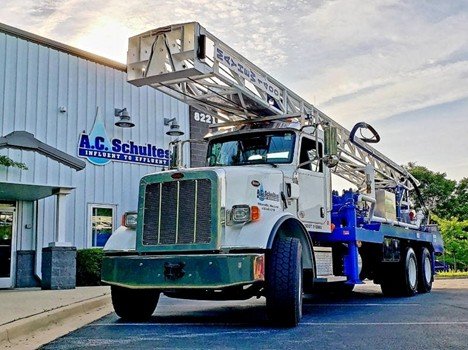 A.C. Schultes, a leading drilling service provider of groundwater solutions, is currently tackling a major aquifer recharge project in Newport News, Virginia. This project utilizes treated wastewater for aquifer injection to help restore and maintain the area’s local water supply. The project site, located in a neighborhood city park, adds a community-centric aspect to the work. To ensure success, the A.C. Schultes team underwent an in-depth two-day training program with the Mount Sopris Instruments team. The team focused on logging techniques for their new Mount Sopris Instruments logging system and the WellCAD software for reporting their findings.
Comprehensive Training Experience: Day 1 and 2
Day 1: Mastering Logging and Tool Setup
On the first day, the team engaged in extensive training on logging, tool setups, and various settings. Key takeaways included: – Logging Best Practices: Effective data recording during the logging process.
- Logger Settings: Adjusting the logger for maximum precision.
- Camera Encoder Settings: Ensuring accurate image capture for analysis.
- Power Recommendations: Discussing inverter and power source setups, including the transition to a 3000 W Honda EU inverter generator after power issues arose.
- Building Tool Stacks: Configuring tool stacks in the Logger Settings to run quick link probes simultaneously. For this project, the ELOG and Gamma probes were stacked.
- Winch Maintenance: Checking winch settings for accurate deployment and communication from the wireline to the tools.
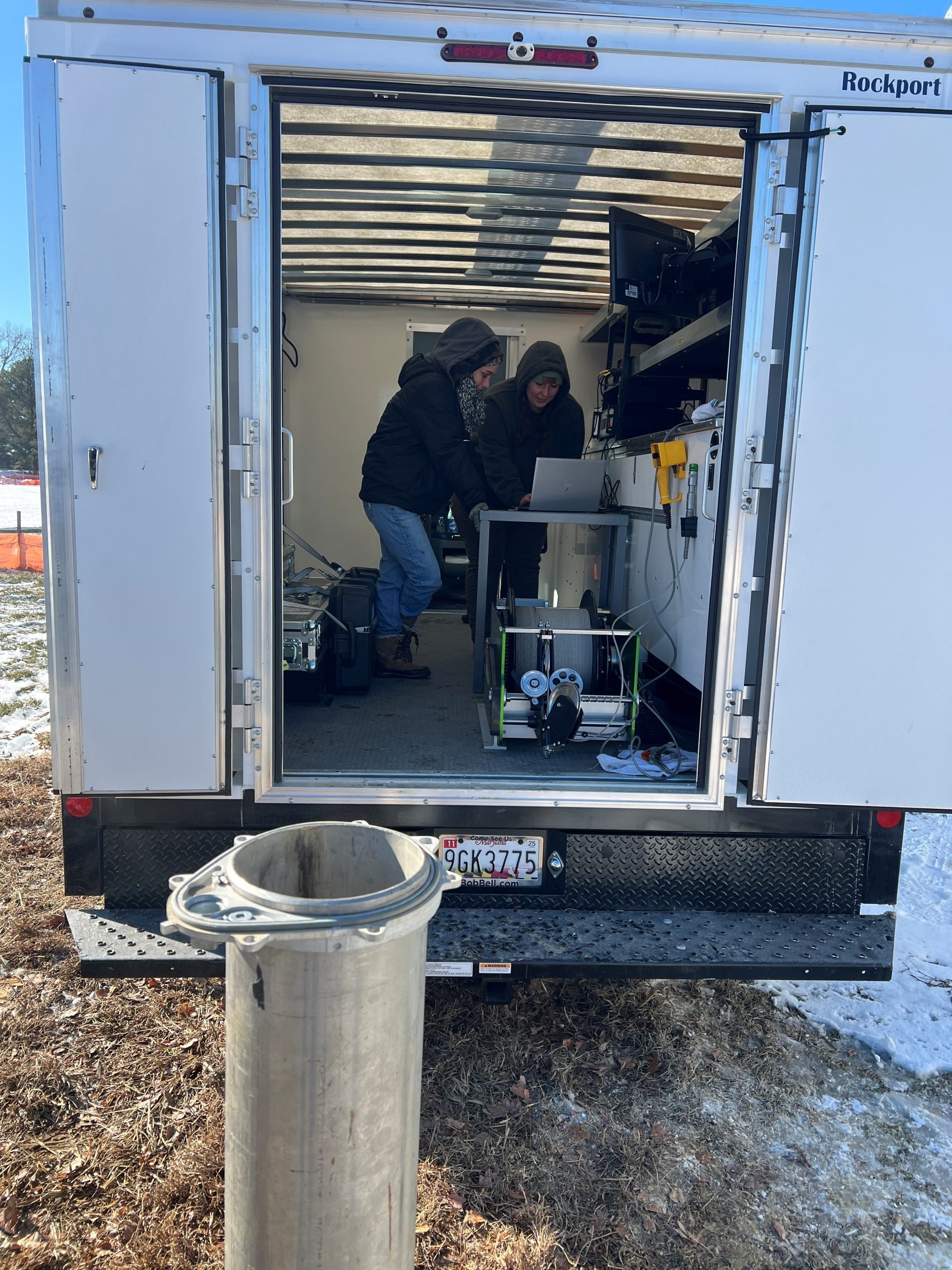
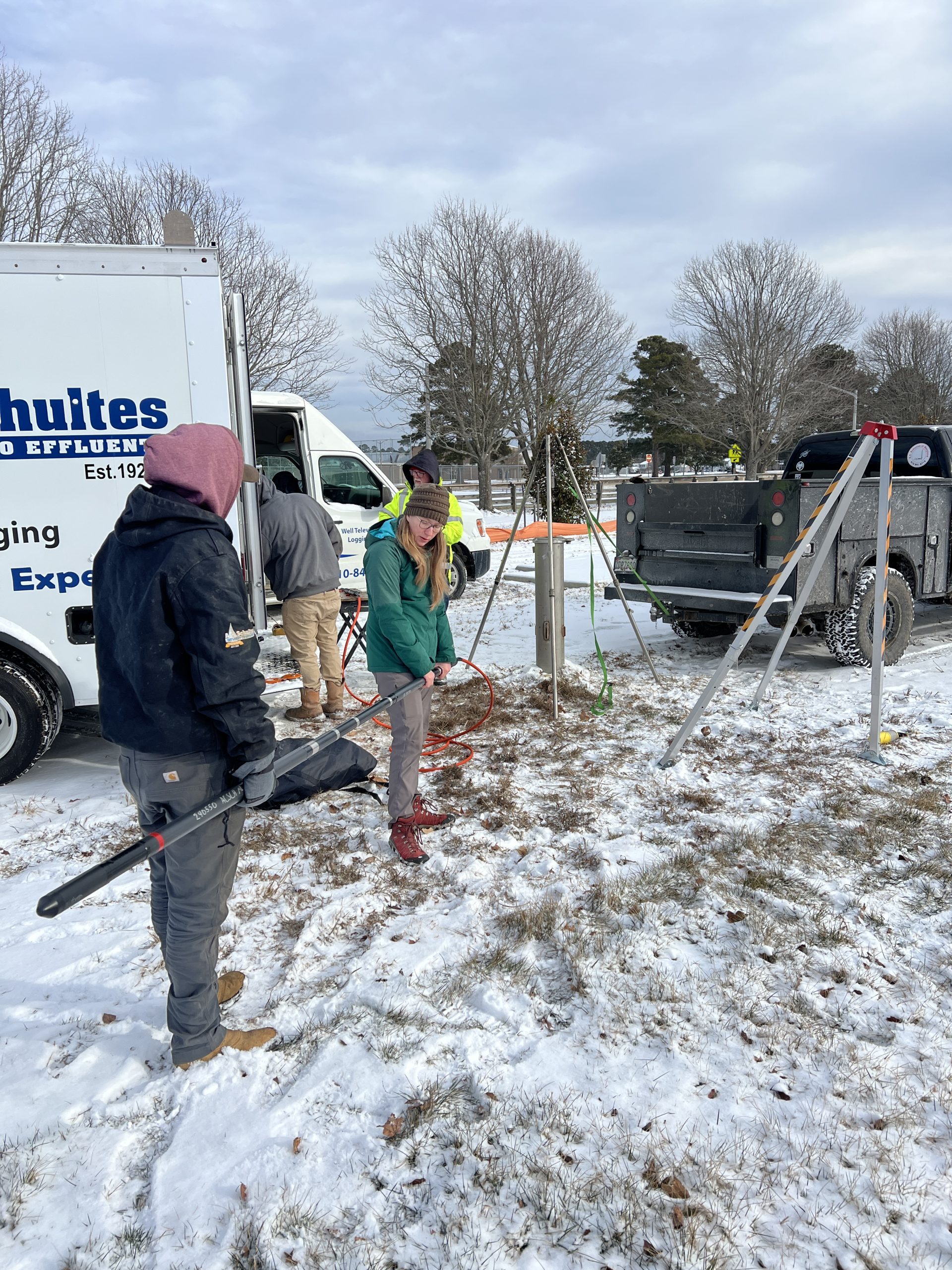
The training occurred at a 1200-foot deep monitoring well on site, with an 8-inch steel casing down to 10 feet and a 4-inch fiberglass reinforced casing below. Despite challenging weather, including temperatures below 20°F and snow, the team gained valuable insights on their equipment to guarantee optimal data collection and analysis throughout the drilling process. 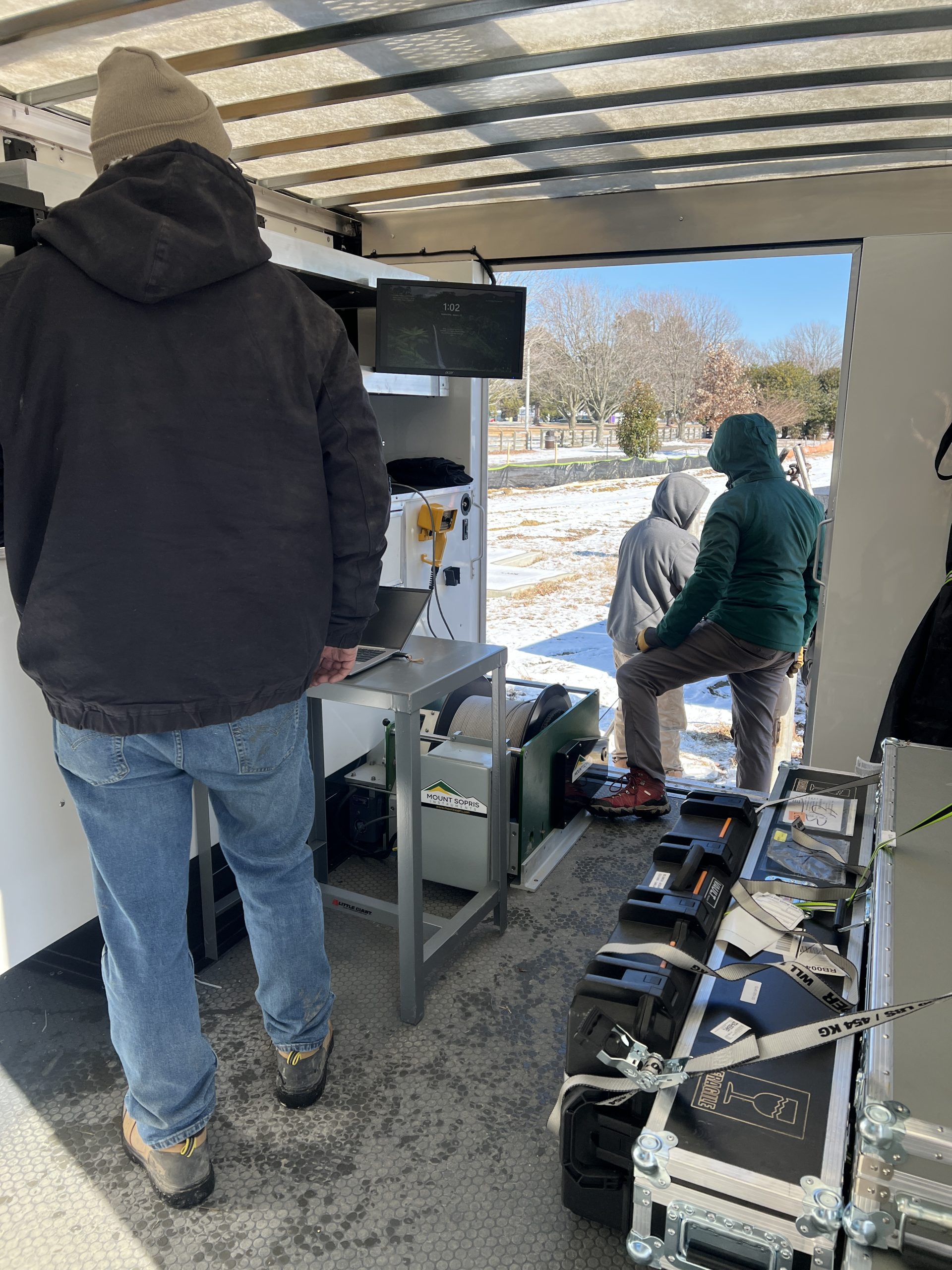
Day 2: Navigating WellCAD Software
On the second day, the team shifted focus to the WellCAD software, which is essential for data analysis and logging report creation. Topics covered included: – Display Settings and Data Imports: How to import and manipulate data in WellCAD.
- Deviation Module: How to produce various diagrams and displays of data from the deviation module
- File Formats and Properties: Understanding different file formats and customizing the logs for well-organized and streamlined data management.
- Header Creation: Setting up customized header templates for logging reports, ensuring the necessary data is recorded and presentable.
- Template Creation: Learning how to fine-tune positioning settings and optimize templates for reporting.
Tools and Software Training Success
Throughout the training, the team utilized a suite of specialized downhole probes. These included the DGRT MSI360 Camera, ELOG, Gamma, and Deviation probe with plastic centralizers. The WNA winch with a 1000-meter 4-conductor cable and Scout-PRO were integral components. Additionally, A.C. Schultes used their brand new customized logging vehicle outfitted with a dedicated power system. The WellCAD software’s basic features and deviation modules were also explored in-depth, providing the team with the technical know-how required for the project. Additional training on caliper calibration and engineering logs in WellCAD ensured that all team members were trained on their Mount Sopris instruments and software capabilities to enhance and streamline their reporting.
The Onsite Training Team
Leading the training was Hanna Flamme, with assistance from Emily Moren. Five team members from A.C. Schultes attended the training, who bring a diverse set of skills to the project. Their collaboration ensured the team was fully prepared to handle both the technical and operational challenges of geophysical borehole logging for the aquifer recharge project. 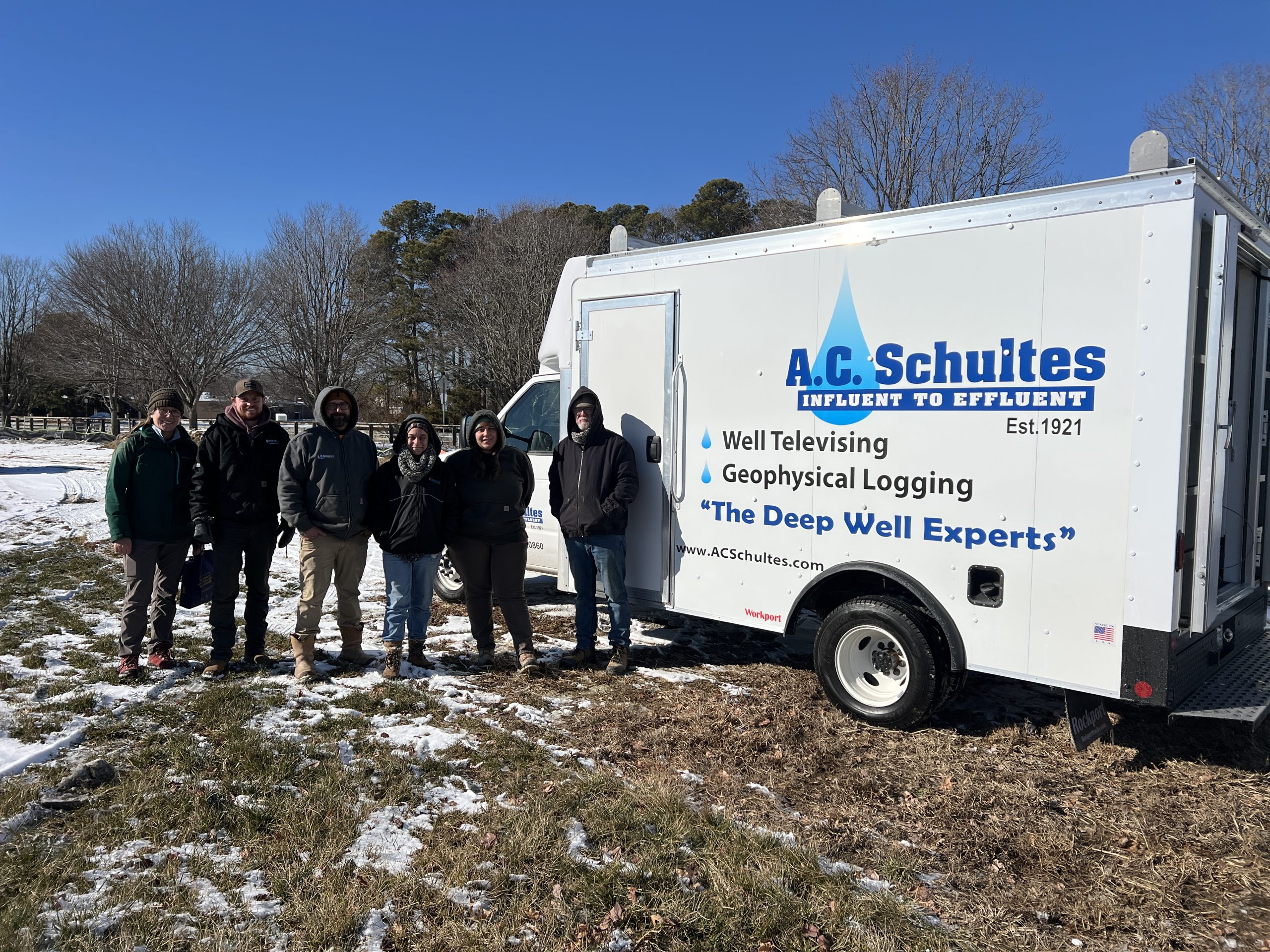
Training Challenges and Solutions
As with any complex project, several obstacles arose during the training. The weather conditions proved to be one of the most significant challenges, with temperatures well below freezing and snow, which made logging more difficult. Additionally, the initial power source encountered issues, shutting down the system multiple times. Instead, a more reliable Honda EU inverter generator provided power for the logging system. Other issues included a too small diameter hanging sheave on the tripod over the borehole. This can cause problems with the wireline due to the sharp angle that its bending the wireline over the sheave into the borehole. Therefore, training staff recommended a new 23 cm (9") hanging sheave to solve this issue. Also, the camera tool fogged up when not immersed in fluid due to the freezing temperatures. The borehole conditions were not ideal for ELOG testing due to the installed casing. This borehole environment created data collection limitations. However, the team adapted for training purposes to learn maintenance tips, tool adjustments, and software solutions.
Training Successes
Despite the technical challenges, the training proved highly successful overall. A.C. Schultes team members were already familiar with logging, which allowed them to dive into advanced trouble-shooting settings and techniques. The training session covered vital topics such as winch and tool maintenance, leakage testing, and even creating templates for logging reports in WellCAD. Mount Sopris also introduced essential tools they need in the future, such as centralizers for the deviation tool and a properly sized hanging sheave. Thanks to the hands-on training and real-world troubleshooting, A.C. Schultes are ready for the next phase of the project. Additionally, the positive atmosphere fostered throughout the training made the experience even more enjoyable. Shared meals, including pizza and BBQ ribs kindly provided by A.C. Schultes, allowed the team to bond and collaborate effectively, ensuring that everyone was not only learning but also building strong relationships.
Conclusion
The training in Newport News, Virginia, provided a valuable opportunity for the A.C. Schultes team to strengthen their skills and familiarize themselves with the tools and software needed for the aquifer recharge project. While there were challenges along the way, the collaborative spirit and resourcefulness of the team ensured that the training was a success. With the knowledge gained, they are now well-equipped and supported to move forward with this important aquifer recharge project, making a positive environmental impact for the future of local groundwater.